
In an era of rapid technological progress accompanied by a global rise in chronic and degenerative diseases, Ayurveda stands as a timeless yet scientifically relevant healthcare system. Meaning the “Science of Life,” Ayurveda is not merely therapeutic medicine but a comprehensive life science integrating preventive healthcare, disease management, longevity science, and mental wellbeing. Rooted in centuries of clinical observation and experiential validation, Ayurveda views health as a dynamic balance between body, mind, metabolism, immunity, and environmental adaptation. Rather than symptom suppression, it focuses on restoring physiological intelligence, enabling the body’s innate healing capacity and long-term functional stability. Today, Ayurveda is increasingly recognized as a vital partner in integrative medicine, offering sustainable, personalized, and biologically aligned healthcare across all age groups.
Ayurvedic treatment methodologies address disease at its origin through a structured and layered therapeutic approach encompassing detoxification, metabolic correction, tissue rejuvenation, and neuro-endocrine balance. Panchakarma therapies represent the gold standard of Ayurvedic biological cleansing and rejuvenation, acting as a deep systemic reset that enhances cellular communication, drug bioavailability, neurological signaling, autonomic balance, immune intelligence, gut microbiome health, hormonal stability, and neuromuscular coordination. This systemic approach makes Ayurveda particularly effective in managing chronic lifestyle disorders, autoimmune conditions, and neurodegenerative diseases involving multi-system dysfunction.
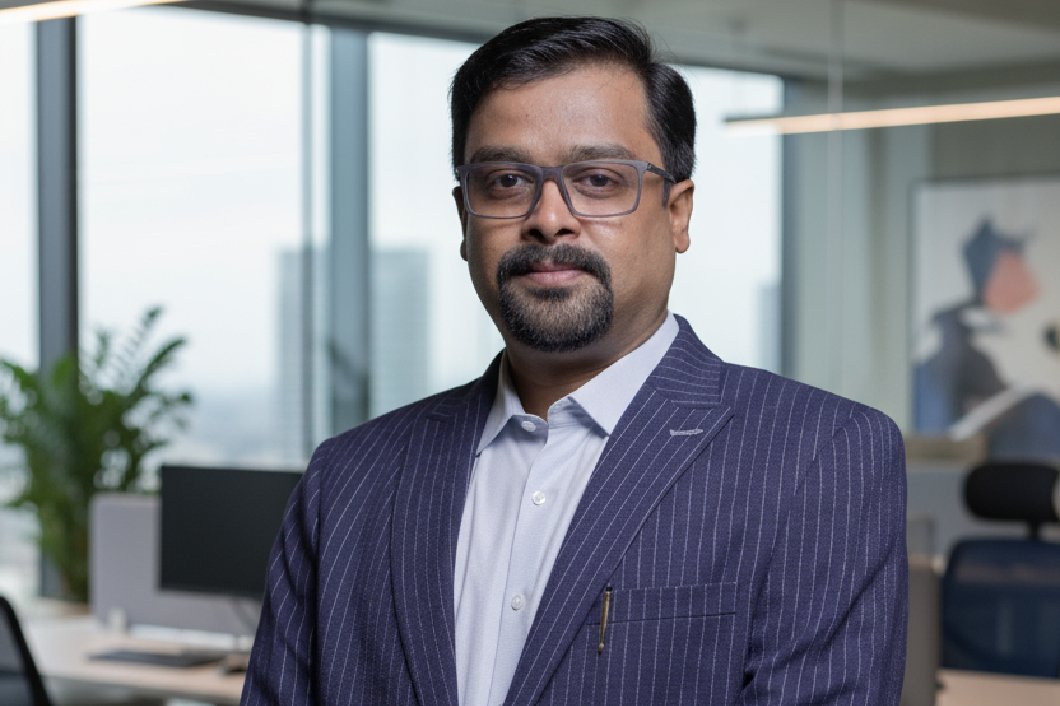
Dr. Vijith K V represents a new generation of Ayurveda physicians integrating classical wisdom with structured clinical research and modern disease understanding. With a focused clinical vision on neurodegenerative disorders—particularly Parkinson’s disease—he has developed measurable, integrative treatment models aimed at improving patient functionality and quality of life. His precision-Ayurveda approach combines individualized treatment planning, evidence-oriented clinical monitoring, and multidisciplinary collaboration. Through extensive clinical experience and translational research exposure, he has contributed to integrative neuro-rehabilitation frameworks that unite internal medicines, Panchakarma neuro-therapeutics, functional rehabilitation sciences, and lifestyle-based disease modulation.
Under his leadership, clinical services function as a comprehensive healing ecosystem rather than isolated interventions. This architecture integrates personalized consultations, structured Panchakarma-based neuro-rehabilitation, chronic disease reversal support, and preventive health optimization. Specialized focus areas include Parkinson’s disease, movement disorders, neuromuscular degeneration, autonomic dysfunction, and gut-brain axis imbalance. Treatment goals extend beyond disease control to functional restoration, independence preservation, and long-term quality-of-life enhancement. Each protocol is customized based on constitutional assessment, disease-stage mapping, metabolic strength, and psychosocial health parameters.
MYDOPA represents a landmark innovation bridging classical Ayurvedic neuro-pharmacology with modern neurological needs. Developed through focused research on natural dopamine pathway support and neuroprotective pharmacodynamics, MYDOPA is designed for long-term neurological support with safety and tolerability for chronic use. It supports endogenous neurochemical balance, neuronal nourishment, oxidative stress reduction, and neuro-inflammatory modulation, demonstrating how traditional knowledge can be translated into standardized, patient-friendly, and clinically relevant solutions without compromising Ayurvedic integrity.
The integrative treatment model recognizes neurological diseases as systemic, multi-layered conditions rather than isolated brain disorders. It unifies Ayurvedic internal medicines, Panchakarma therapies, physiotherapy, speech and swallowing rehabilitation, yoga therapy, psychological counseling, and clinical dietetics into a single therapeutic pathway. This approach addresses motor and non-motor symptoms, emotional resilience, functional independence, caregiver burden reduction, and social reintegration, redefining chronic disease management as functional life restoration.
Ayurvedic wellbeing extends beyond treatment into life science education. Health is defined not as the absence of disease but as optimal physical function, metabolic efficiency, mental clarity, emotional stability, and adaptive immunity. Through constitution-based nutrition, circadian alignment, seasonal lifestyle adaptation, digestive optimization, mental discipline, and preventive detoxification, Ayurveda offers a lifelong roadmap for vitality, disease prevention, cognitive resilience, productivity, and longevity.
In a world increasingly disconnected from natural biological rhythms, Ayurveda offers a scientifically valid pathway back to biological intelligence. Its principles are not a return to tradition but a progression toward biologically sustainable living—empowering individuals to take proactive ownership of their health rather than relying solely on disease-stage intervention.
The future of global healthcare lies in integration, personalization, prevention, and sustainability. Ayurveda is uniquely positioned to lead this transformation by treating individuals rather than disease labels, prioritizing long-term functional wellness, reducing healthcare burden, and enhancing quality of life. As chronic and neurodegenerative diseases rise globally, integrative Ayurvedic healthcare models will play a defining role in shaping the future of medicine.
Ayurveda is not the medicine of the past—it is the medicine of a sustainable human future. Through scientific clinical Ayurveda, integrative neuro-rehabilitation, and innovations like MYDOPA, the mission remains clear: to restore dignity, functional independence, and holistic wellbeing to every life it touches.